About
I'm AJ (Apparicio),
a design leader, educator, and builder of design orgs.
Brazilian-British, based in London, with over a decade leading design across scale-ups and FTSE 100 organisations. I came into design through computer engineering, which is probably why I trust systems and evidence more than I trust taste.
QUICK LINKS
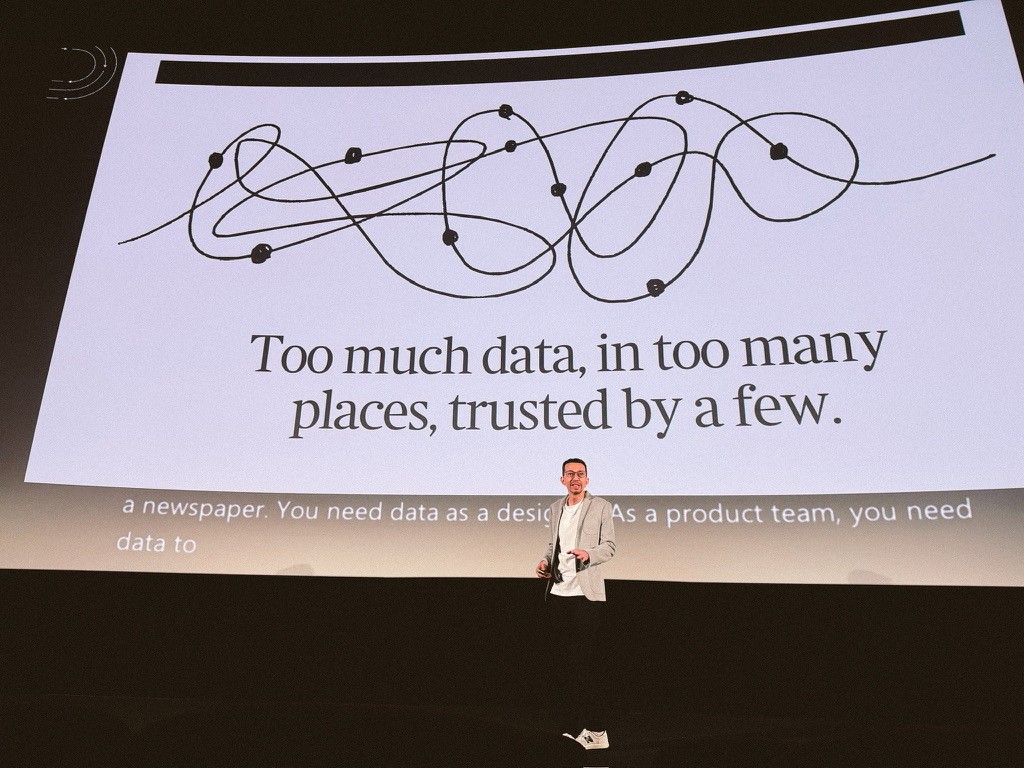
The longer story
My route into design went through computer engineering. I enrolled partly because I had watched The Matrix and was fairly sure it would make me a hacker, and partly because my father was a military man and I wasn't, so a degree was the nearest thing I had to making him proud on my own terms. It turned out computer engineering is mathematics, derivatives and years of bending numbers.
What it did give me was work. A few years of IT security for a newspaper in Goiânia, with a colleague who knew a great deal more than I did. Linux servers, network setup, protecting a website and the data behind it. I do not think we were very good at it. We learned as we went, and it was hectic. Alongside that, I was already designing: web work, graphic work, a couple of small agencies of my own. None of it felt like a career then.
I moved to London the day after I graduated. I did not attend my own graduation. My brother signed the paperwork because I had already gone.
My mother had friends here, and I stayed with them. On the first day, she handed me the keys and told me rent was due at the end of the week. Good luck. The next morning I was woken at five for a delivery job.
I had assumed I could convert the degree. Being a computer engineer in Brazil doesn't make you an engineer in London, and the design work didn't travel either. Nobody here had heard of the agencies, and there was no reason they should have.
So I took what was available. Deliveries. A laboratory job cleaning fridges. Cleaning offices and corporate buildings through the night. Later, I worked at a graphic studio doing CorelDRAW work: business cards, car wraps, and stickers for helicopters.
Somewhere in the middle, I started a YouTube channel in Portuguese because I needed somewhere to put everything I was thinking. It grew into the UK's biggest Brazilian creator community. Thousands of subscribers, millions of views a year, and a full-time job at three in the morning with a mop.
One of the buildings I cleaned was a photography studio in Whitechapel. Three in the morning, lights off, nobody else in the building. Cleaning is invisible work, and everyone who has done it knows precisely how invisible. I sat down in one of their chairs, a good one, the kind a company buys when things are going well, put my hands on the desk and pretended for a minute that I worked there.
Then I cried a bit. I asked myself whether that was going to be it, whether I would ever sit in an office like that for real, whether I would ever make something for this country. I had arrived certain that I wanted to do something that mattered to someone. In that chair I understood that nobody was going to arrange it for me.
So I found a bootcamp. General Assembly, twenty-two students, and I was the one annoying the teachers. I had already run agencies and done the graphic work, so I did not need to be told what the tools were. I asked the same thing every week. How do I get the job? Not how do I use Sketch. I will learn Sketch. How do I get the job?
One teacher took the question seriously and told me my CV was bad, my portfolio was worse, and I didn't have a positioning. Then a recruiter, Mimi Hammad, told me everything about me was wrong, that she didn't think I would get hired, and that she would help me anyway. She found me an agency role and warned me it would not be the work I wanted, but it would be somewhere to start.
The agency was Investis, now IDX, and I worked almost entirely with FTSE 100 companies. I learned more from the meetings than from the work: how large organisations actually decide things, and how to talk about design to someone who doesn't care about design.
It was also where the channel ended. A client found it. I talked about politics on there, mostly comparing Brazil and Britain, and I was told plainly that some clients would read that as a risk. The channel was making about fifty dollars a month, so I deleted it.
I regret that now, though not for the reason you would expect. My ADHD means large parts of my early years here are gone, a fog where the memories should be. That channel was my only record of who I was when I arrived, and I deleted my own archive.
After that, I worked like it was the only thing keeping me here. Obsessive is the polite word. It produced anxiety attacks, and eventually a morning where half my face would not move. Bell's palsy.
The agency taught me what good work looks like, and what bad work looks like. The second lesson took longer. I can stay switched on almost indefinitely. What I could not do was switch off, and my version of off is still making something. That is where Design Circuit came from. I started teaching on Slack, for free, audio only and no camera, because I had no idea whether anyone would turn up. It is now one of the largest design schools in Brazil, with more than 4,500 students. Teaching is how I rest.
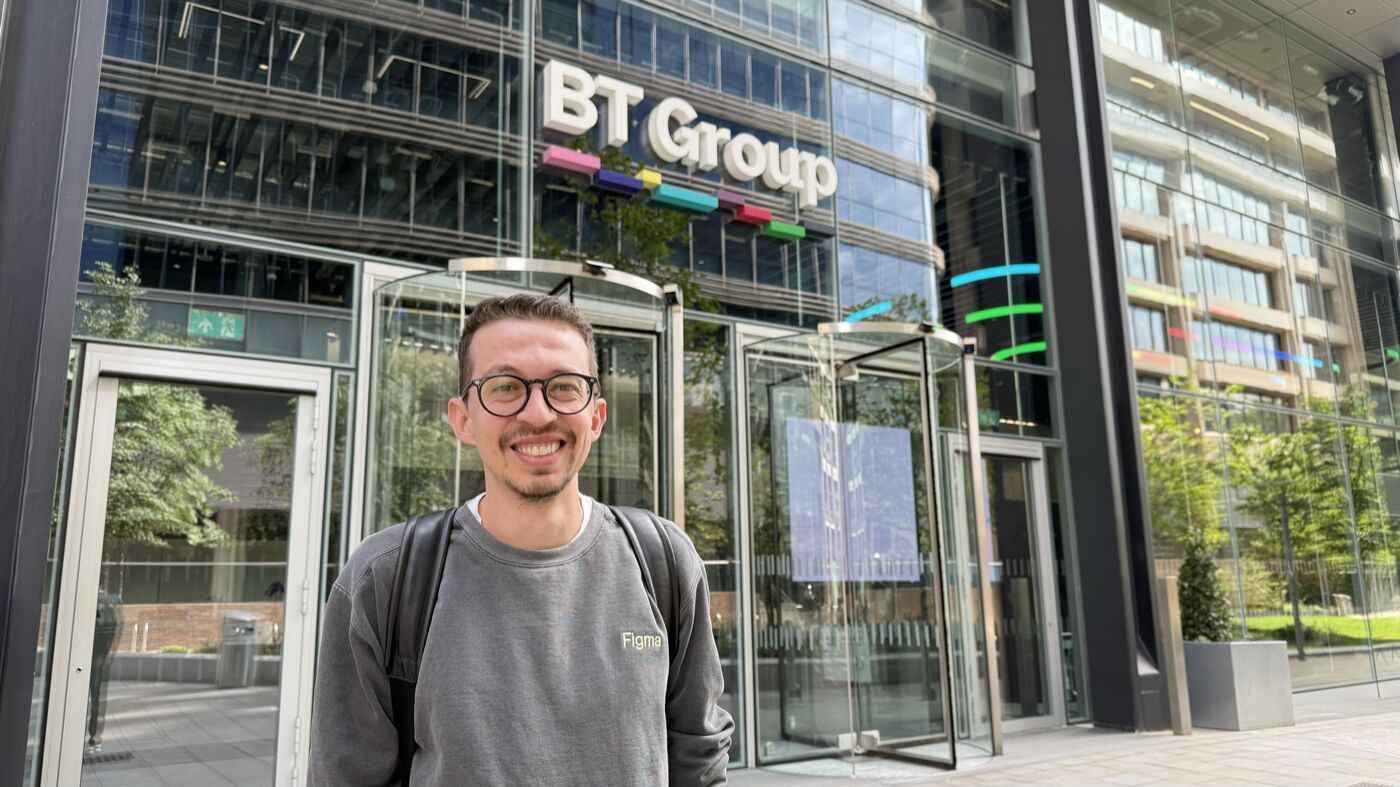
Then the part that fits on a CV. Founding designer at Cazoo, then design lead, then a public listing inside eleven months. Then EE, inside BT Group, and working for a British institution with that much history behind it was the moment I stopped feeling like a visitor. Air conditioning. A decent chair. I had done a lot of studying on the top deck of buses and a lot of sleeping in a flat with mice in it, and I sat in that office and understood I had got somewhere.
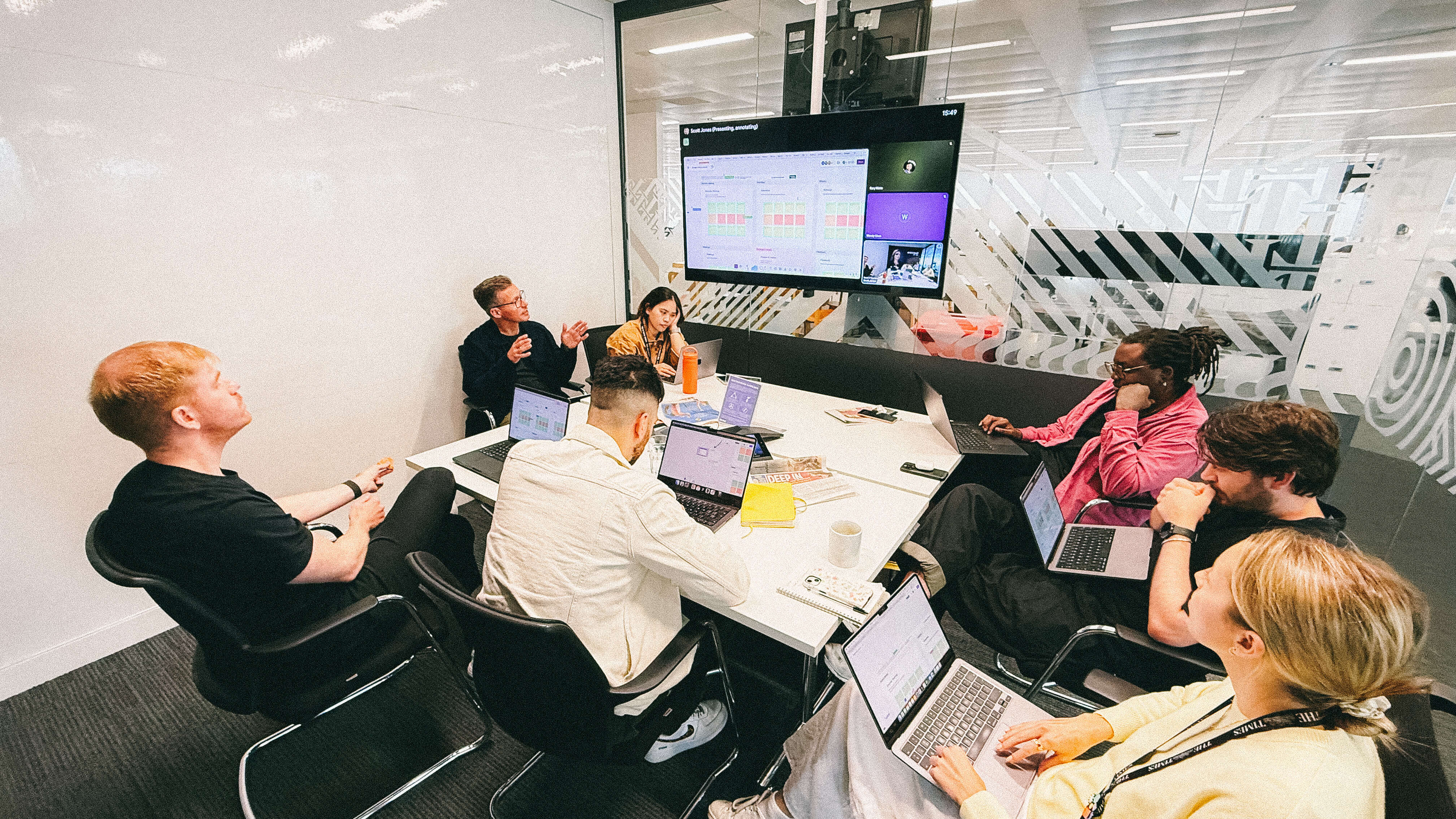
Now The Times, which is 240 years old. Leading design here means leading a piece of British history, and I have never once managed to be casual about it.
Underneath it all, I am a fixer. My father taught me to take things apart and work out why they broke, and I never stopped. I am obsessive about products, pixels, numbers, and how a thing actually feels to use. Every company I have worked for has a Slack channel full of app reviews and user feedback, and in most of them, reading it isn't anyone's actual job. I think it should be part of mine.
I was diagnosed with ADHD as a child, so I have had a long time to work out how to use it. Most days it is why I can hold six things at once. Some days it means I am in a meeting and my head has gone to Jurassic Park. The good days are enormous, and I take the rest as the cost.
I am British now. I also hold a Portuguese passport, and I am Brazilian. Which makes me an immigrant of the world, and means I do not really have a place. My place is my family. And work, which I have never been able to turn off.
A portfolio is not usually where you put any of this, and it would have been an easier page to write without it. But nobody hires a leader from case studies. You are deciding whom to put in a room with your team every day for years, and I would rather you knew who that was.
So here is what you would be getting. People first, because I have been the person in a building whose opinion nobody asked for, and I have not forgotten it. Ethics and respect, because I have seen what it costs when they are missing. And when I agree to help a company, I help them.
If you've made it this far, thank you. I would rather hear about what you are building than talk about me any longer.
Memories I carry from this journey





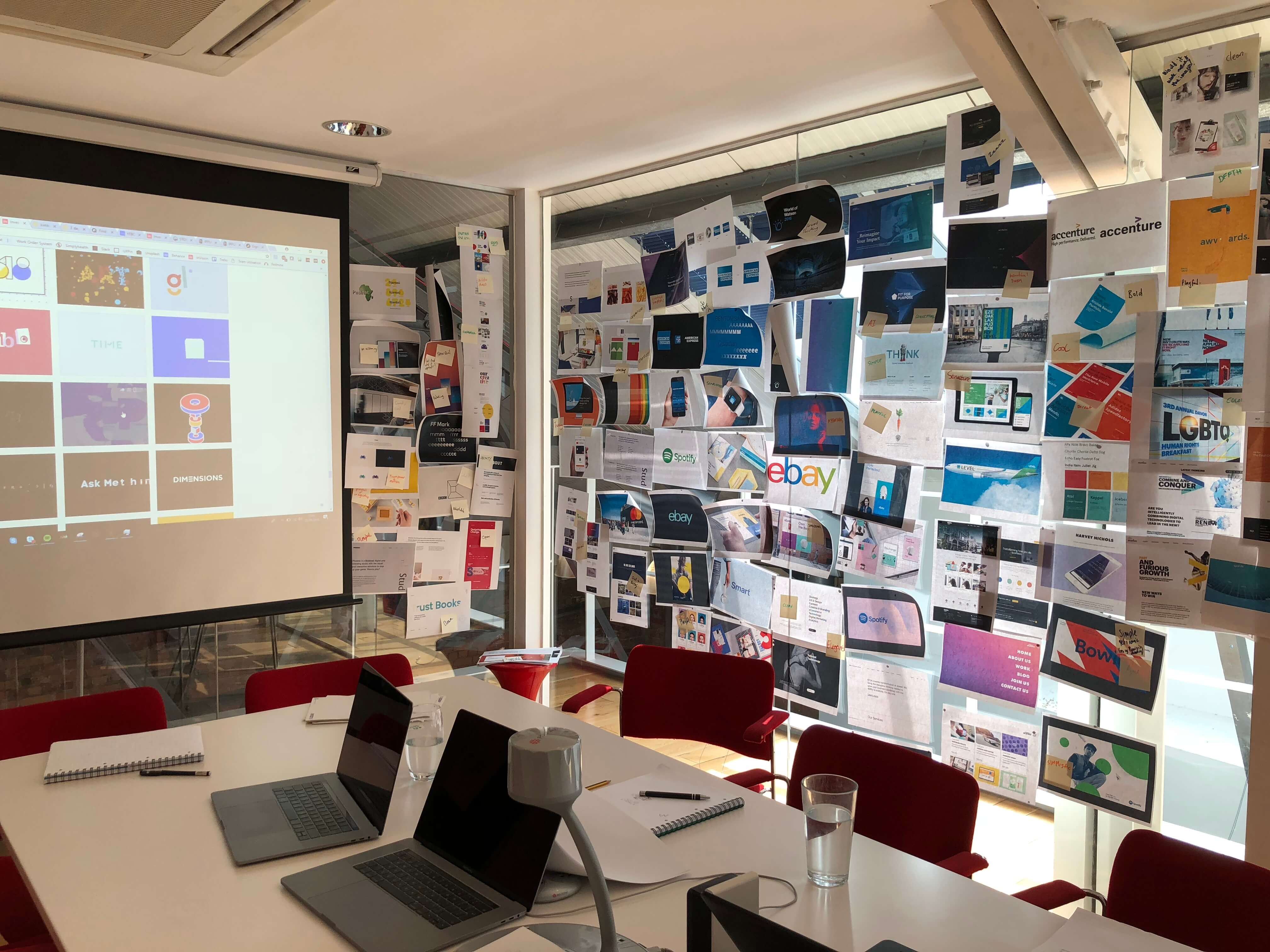


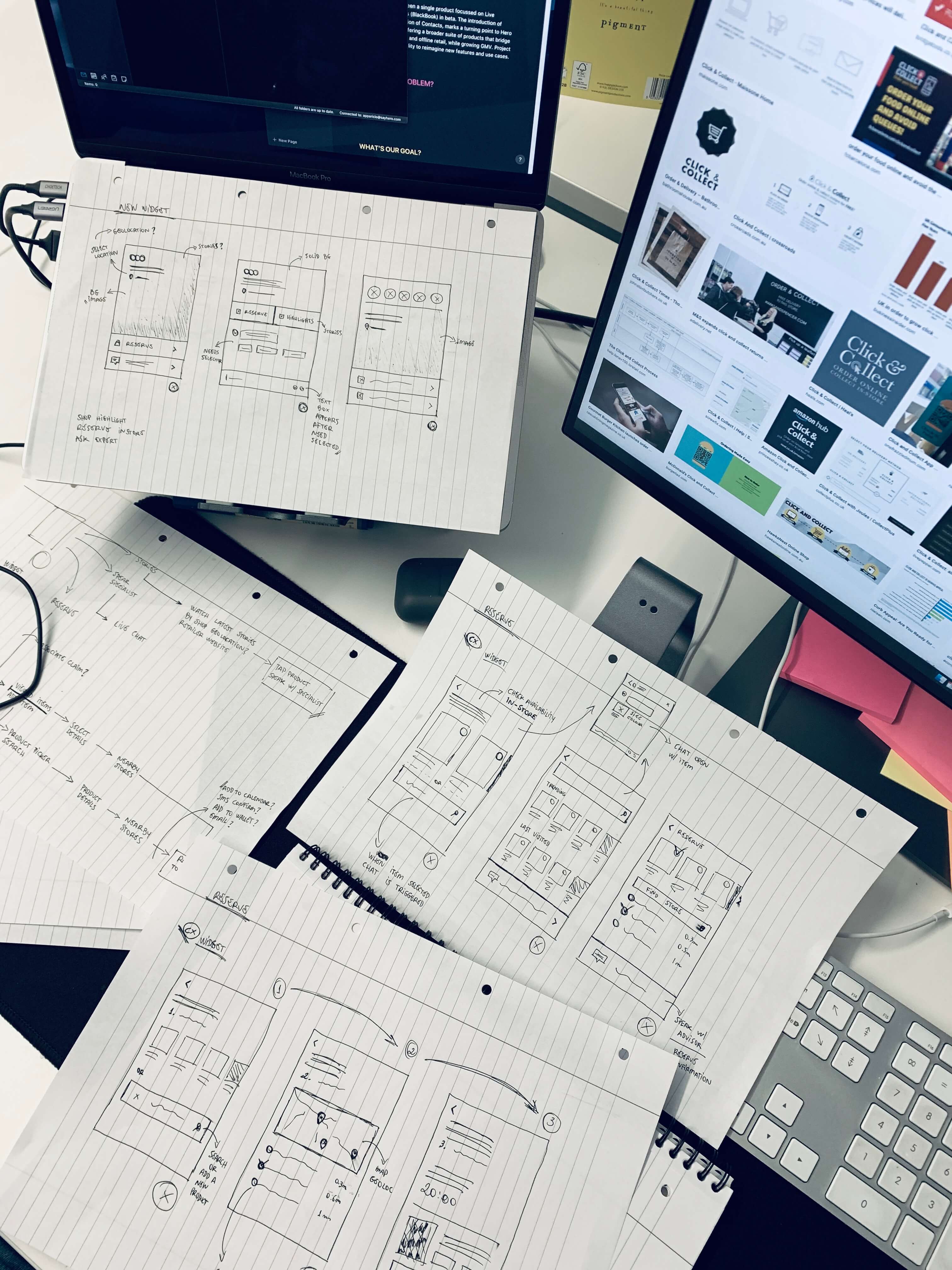


the wannabe photographer


Working together
If you are building a design function rather than filling a seat, I would like to hear about it. Geography is not a constraint.
Copy my email
Copy component
Copied